



Choosing toothpaste can feel overwhelming. Whitening, sensitive, charcoal, natural, enamel repair, gum care—the options on pharmacy shelves are endless. The good news is that for most people, the best toothpaste starts with one simple feature: fluoride.
Why fluoride matters
Fluoride helps teeth resist the acids produced when plaque bacteria feed on sugars and carbohydrates. Over time, these acids can weaken enamel and lead to tooth decay. Fluoride supports remineralisation, which means it can help repair very early enamel damage before it progresses into a cavity.
When reading a toothpaste label, look for fluoride and check the concentration, usually written as ppm, or parts per million. Most adults and children aged six and over should use a standard fluoride toothpaste, generally containing around 1,000 to 1,500 ppm fluoride.
Children aged 18 months to five years generally need a low-fluoride children’s toothpaste, commonly around 500 to 550 ppm. For children under 18 months, a soft toothbrush and water are usually recommended rather than toothpaste. Young children should always be supervised while brushing so they learn to spit toothpaste out instead of swallowing it.
Some people may need stronger, prescription-strength fluoride toothpaste. This may be recommended for people with repeated cavities, dry mouth, exposed tooth roots, orthodontic appliances, extensive dental work or a higher overall risk of tooth decay.
Choosing toothpaste for sensitivity
If cold drinks, sweet foods, brushing or cold air causes a sudden sharp sensation in your teeth, a toothpaste formulated for sensitivity may help. These products are designed to reduce the movement of sensation through tiny channels in exposed dentine, which can become more visible when enamel is worn or gums have receded.
Sensitivity toothpaste generally needs to be used consistently for several weeks before you notice its full benefit. However, tooth sensitivity should not simply be ignored. It can also be caused by decay, a cracked tooth, gum disease, enamel erosion or an old filling that needs attention. If sensitivity is new, severe or persistent, a dental check-up is the safest next step.
Whitening toothpaste: what it can do
Whitening toothpaste can help remove surface stains caused by coffee, tea, red wine, smoking and strongly coloured foods. It may improve the brightness of your smile gradually, particularly when staining is on the outer surface of the teeth.
However, whitening toothpaste does not usually produce the dramatic change possible with professional whitening treatment. It also cannot change the internal colour of a tooth, such as discolouration caused by ageing, trauma, certain medications or previous root canal treatment.
Some whitening products are more abrasive than regular toothpaste. If you have sensitive teeth, worn enamel, gum recession, exposed roots, veneers, crowns or frequent acid exposure, ask your dentist before using a whitening toothpaste every day.
Toothpaste for gum health
Healthy gums should not bleed regularly when you brush or clean between your teeth. If you notice bleeding, puffiness, redness, bad breath or gum tenderness, a fluoride toothpaste marketed for gum care may be useful as part of your routine. However, toothpaste alone cannot remove hardened tartar or treat established gum disease.
Bleeding gums are often an early sign that plaque is building up around the gumline. Daily cleaning between teeth with floss or interdental brushes is important, along with a professional assessment if bleeding continues for more than a week or two.
Should you choose natural or fluoride-free toothpaste?
Natural, herbal, charcoal and fluoride-free toothpaste products are widely available, but marketing terms do not necessarily mean a product is more effective or safer for your teeth. The most important question is whether the toothpaste provides reliable fluoride protection against decay.
Fluoride-free toothpaste may make your mouth feel fresh and can help clean plaque from tooth surfaces, but it does not provide the same established protection against cavities as a fluoridated toothpaste. Australian dental guidance recommends brushing twice a day with fluoride toothpaste.
Charcoal toothpaste may be particularly worth discussing with your dentist. Some products can be abrasive, and frequent use may contribute to enamel wear or increased sensitivity in some people. Once enamel is worn away, it does not grow back.
How much toothpaste should you use?
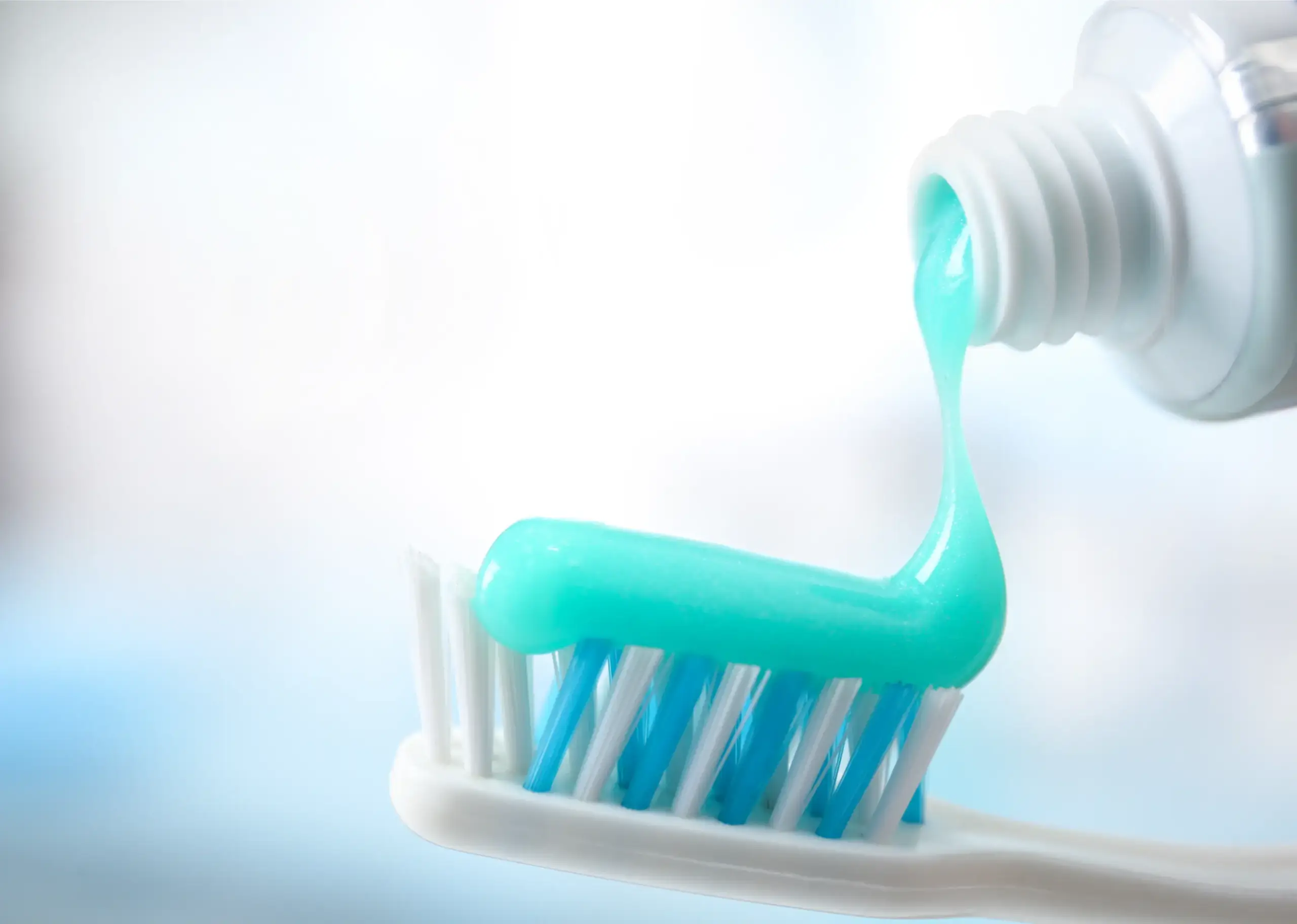
Using more toothpaste does not make brushing more effective. Adults and children who use standard toothpaste generally only need a pea-sized amount.[gov +1]
For young children using low-fluoride toothpaste, use only a small smear. Parents and carers should apply the toothpaste and supervise brushing until their child can reliably brush and spit without swallowing.
After brushing, spit out the excess toothpaste rather than rinsing thoroughly with water straight away. This helps leave fluoride on the teeth for longer. Brush twice daily with a soft-bristled toothbrush and replace the toothbrush or brush head roughly every three months, or earlier if the bristles become frayed.
When to seek personalised advice
There is no single toothpaste that is best for everyone. Your ideal toothpaste depends on your age, oral-health history, diet, saliva flow, gum health, sensitivity and any dental treatment you have had.
A personalised recommendation can be particularly helpful if you have frequent tooth decay, dry mouth, bleeding gums, tooth sensitivity, braces, implants, crowns, veneers, exposed roots or a child who struggles to spit out toothpaste.
At South Yarra Family Dental Care, we can assess your oral-health needs and recommend a toothpaste and home-care routine that protects your teeth and gums at every stage of life.